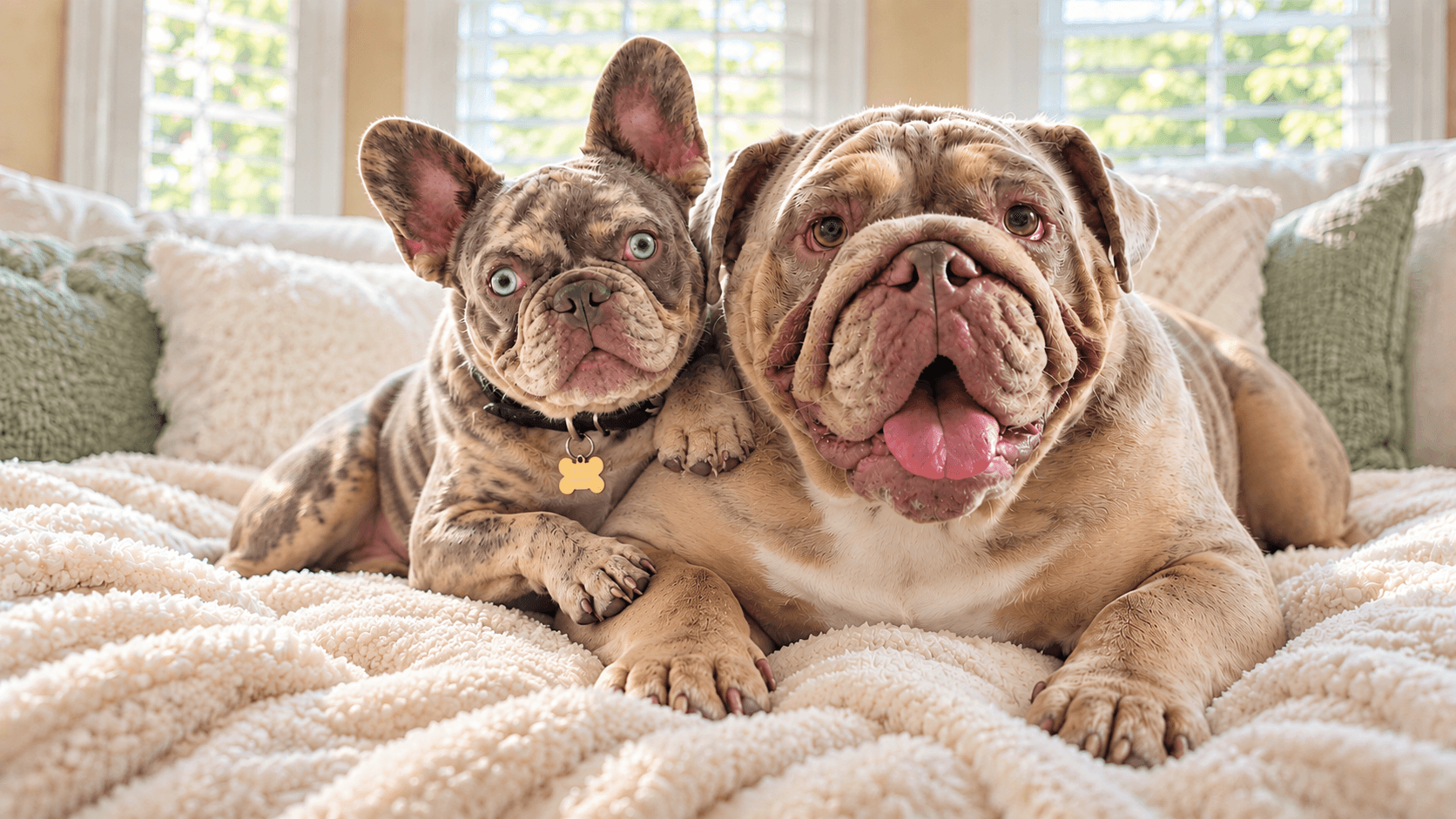
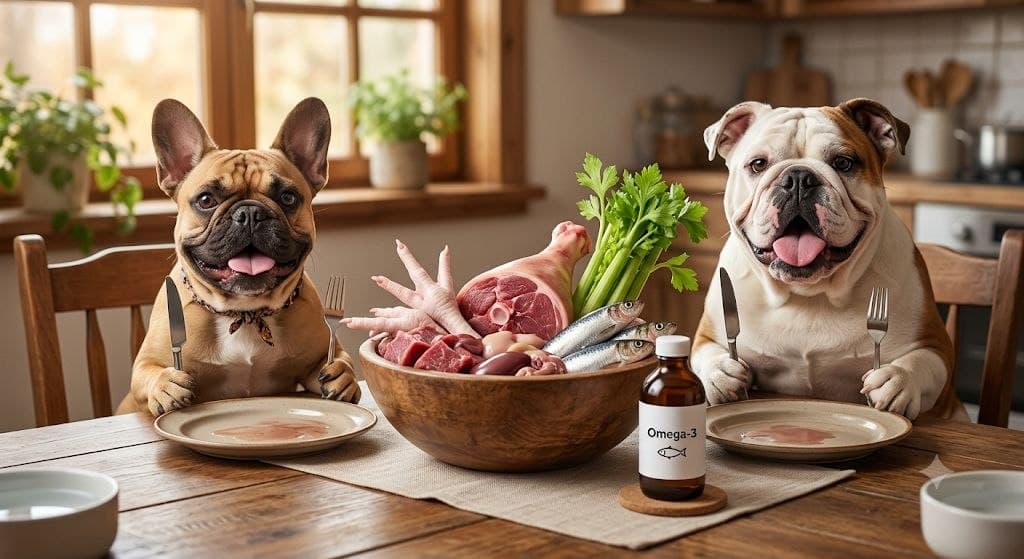
How to Choose a Healthy Bulldog Puppy: DNA Health Tests & Vet Checkup Guide
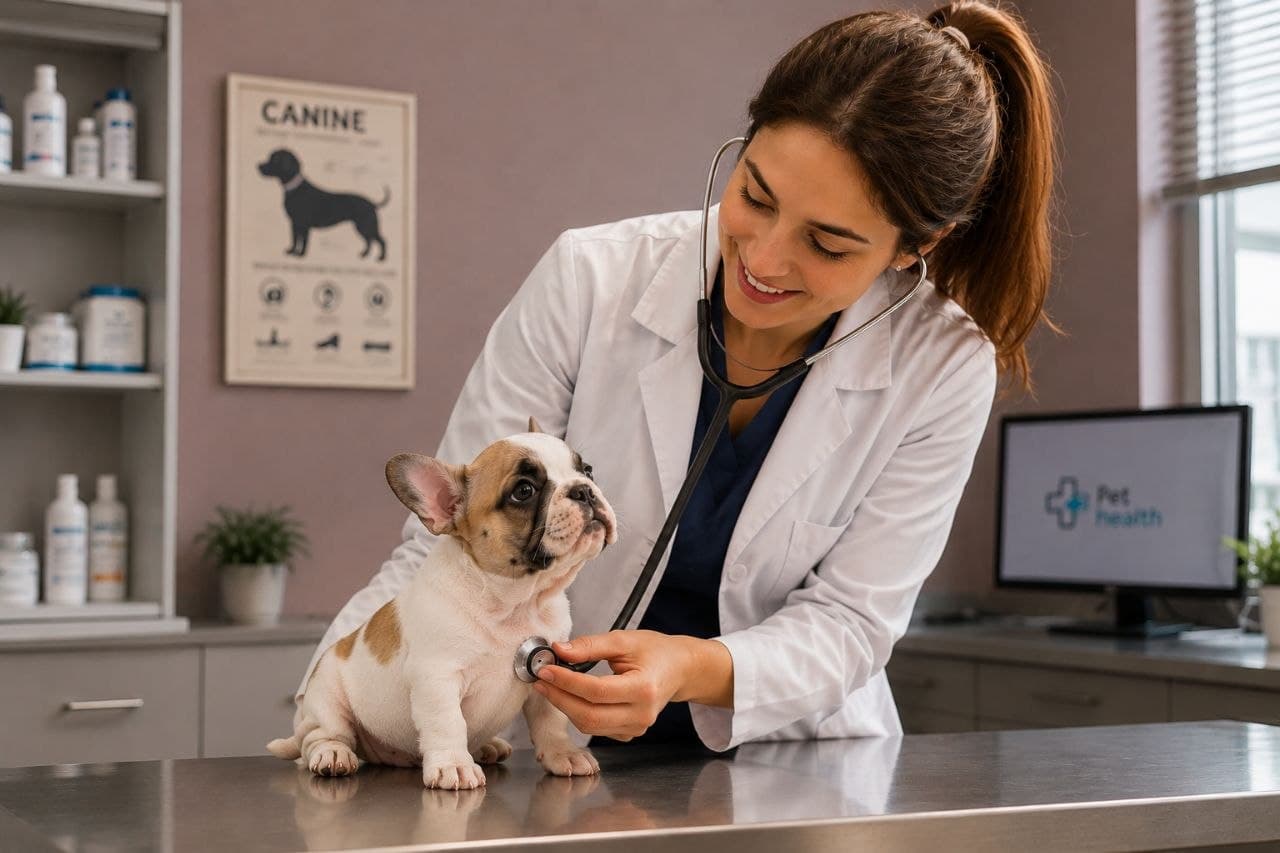
Bringing home a French or English Bulldog puppy is an exciting milestone.
It is easy to fall in love with the wrinkles, expressive eyes, bat ears, compact body, or a beautiful coat color. But appearance should never be the only thing you evaluate when choosing a puppy.
Behind every healthy puppy should be something much more important:
thoughtful breeding, documented health screening, veterinary care, and transparency from the breeder.
You do not need a veterinary degree or an advanced understanding of canine genetics to ask the right questions. You simply need to know what documentation to request and what a responsible breeder should be willing to discuss with you.
Our Health Philosophy
At Exotic Bulldog Legacy, we believe buyers should understand the health background of the puppy they are considering. Ask questions, review the available records for the specific litter, and understand what veterinary care your puppy has received before going home.
What You're Really Checking
Start With the Parents, Not Just the Puppy
A puppy's health story begins before the puppy is born. Genetic screening of breeding dogs can help breeders identify certain inherited mutations and make more informed decisions when selecting a sire and dam.
DNA testing cannot predict every health problem a dog may ever develop. But for conditions with established genetic tests, it provides valuable information about the parents and potential risks to their offspring. OFA specifically recommends that prospective puppy buyers research health testing on parents and relatives when evaluating a breeder.
Ask to See the Actual Results
Do not be afraid to ask: “What health testing was performed on the sire and dam of this litter, and can I see the results?”
A breeder should be able to explain what testing was performed for that specific pairing and provide the available documentation. Do not rely only on phrases such as “health tested,” “DNA clear,” or “vet checked.” Ask what was actually tested.
Understanding DNA Test Results
Laboratories may use slightly different terminology, but DNA reports commonly classify a dog according to whether a disease-associated variant was detected.
CLEAR / NON-CARRIER
No tested mutation detected. The dog is not expected to pass a disease-associated copy to its offspring.
CARRIER
One copy detected. For many recessive conditions, carriers themselves do not develop the disease.
AT RISK / AFFECTED
Disease-associated genotype detected. Exact interpretation depends on the specific disease and inheritance pattern.
* Exact interpretation depends on the specific disease and inheritance pattern.
Key Idea
A DNA result is not simply a “good dog / bad dog” label. The purpose of testing is to give breeders information they can use to make better pairing decisions.
DNA Health Tests Commonly Seen in French Bulldogs
The exact testing panel depends on the laboratory and breeding program. Current French Bulldog panels offered by Animal Genetics include tests for conditions such as CMR1, Degenerative Myelopathy, Hyperuricosuria, Juvenile Hereditary Cataracts, and Cystinuria variants, among others.
- Degenerative Myelopathy (DM): Associated with progressive degeneration of the spinal cord.
- Juvenile Hereditary Cataracts (JHC): An inherited form of cataract that can affect younger dogs.
- Canine Multifocal Retinopathy Type 1 (CMR1): An inherited retinal condition.
- Hyperuricosuria (HUU): Affects uric acid metabolism and can increase the risk of urate stones.
- Cystinuria: Associated with abnormal cystine levels in the urine and the development of urinary stones.
DNA Health Tests Commonly Seen in English Bulldogs
English Bulldog panels may include several overlapping conditions. Animal Genetics currently lists CMR1, Cystinuria Type 3 variants, DM, and HUU among the disease-related tests included in its English Bulldog panel.
The important point for buyers is not memorizing every abbreviation. It is understanding that genetic testing should be specific, documented, and interpreted in the context of the actual breeding pair.
DNA Testing Is Only One Part of Bulldog Health
One of the biggest mistakes buyers can make is assuming that a DNA panel means: “This puppy can never have a health problem.”
That is not what genetic testing means. Not every health condition has a DNA test. Some Bulldog health concerns are evaluated through physical examination, specialist screening, imaging, respiratory assessment, orthopedic evaluation, or other forms of health testing.
The OFA/CHIC system specifically distinguishes DNA-based testing from phenotype-based health evaluations and recommends breed-specific screening protocols. For brachycephalic breeds such as Bulldogs and French Bulldogs, respiratory function is also an important consideration.
That is why choosing a puppy should involve both the parents' health background and the puppy's own veterinary examination.
The Pre-Sale Veterinary Checkup
Before going to a new home, a puppy should receive an age-appropriate veterinary evaluation. Documentation may look different from clinic to clinic. What matters is that there is a documented veterinary assessment of the puppy.
What the Veterinarian Checks
Three Layers of a Healthy Start
Questions to Ask Before Choosing a Bulldog Puppy
Final Thoughts: Choose Health Before Color
There is nothing wrong with falling in love with a beautiful color, expressive face, or adorable personality. But those should come after health and transparency, not before them.
Ask questions until you are comfortable with the answers. A beautiful puppy may catch your eye. A thoughtfully bred, properly cared-for puppy should earn your confidence. Learn more about our approach by viewing our available puppies or reviewing our health guarantee and deposit terms.
Tatiana — Founder of Exotic Bulldog Legacy
A breeder with years of experience specialising in French and English Bulldogs. My goal is not just breeding, but improving the health of the breed and finding perfect companions for loving families.
Our story →