Bringing a Puppy Home: Stress-Free Training from Day One

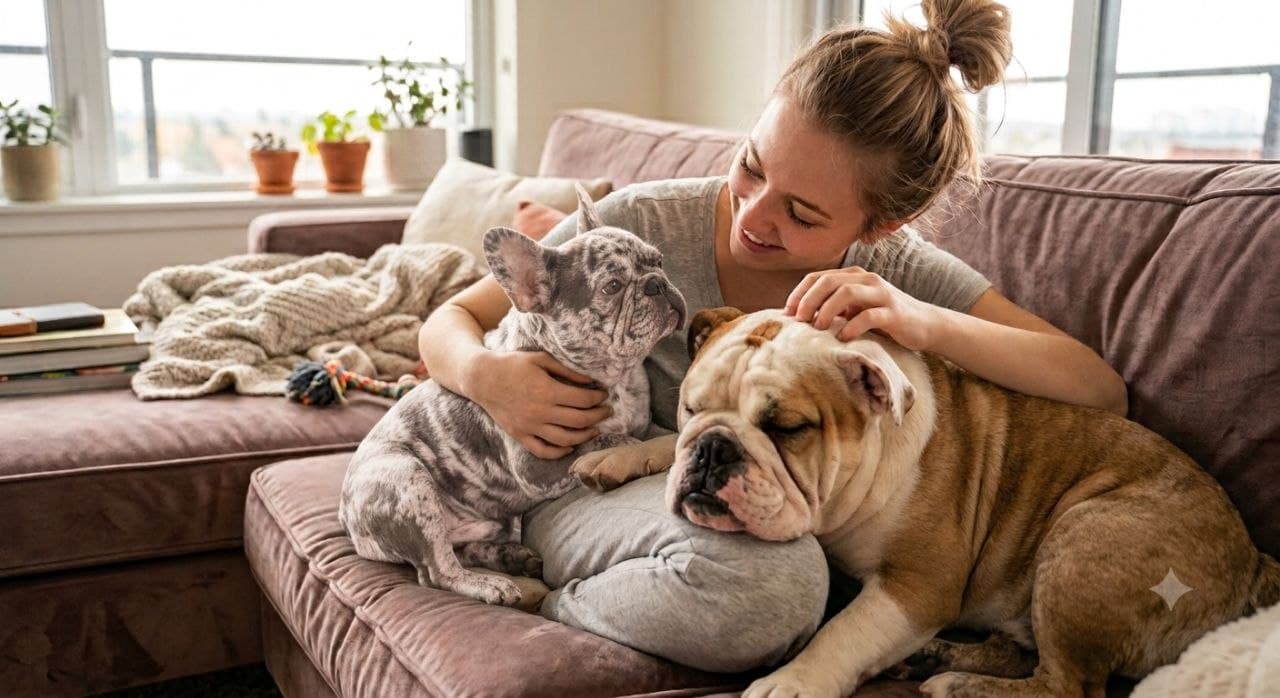
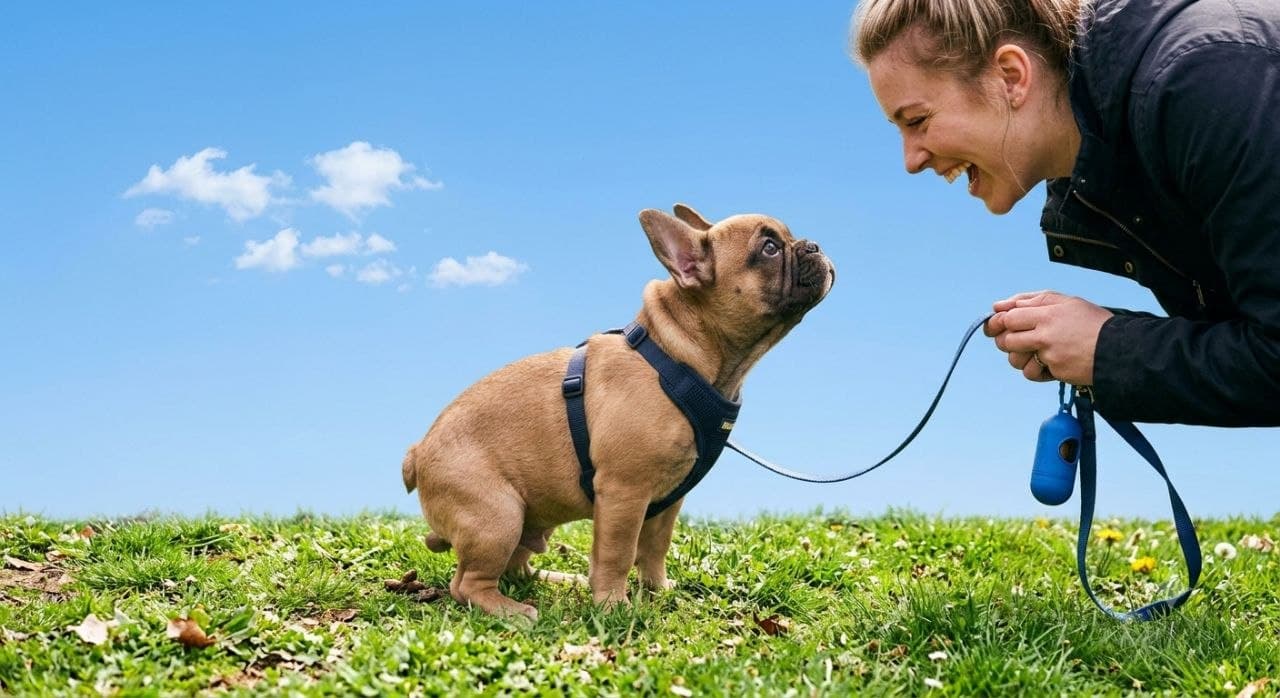
Bringing a puppy home is one of the most exciting moments for any family. But those first days are about much more than cuddles, toys, and choosing a name.
The first 3–4 weeks begin shaping the habits your puppy may carry for life.
This is especially important with confident, strong-willed breeds such as French Bulldogs, English Bulldogs, and other molosser-type dogs. They are intelligent, observant, full of personality — and very quick to learn what works.
From day one, your goal is not to dominate your puppy or overwhelm them with rules. It is to create something much more valuable:
Safety. Predictability. Calm leadership. Consistency.
When those foundations are clear, training becomes easier for both the puppy and the family.
Our Training Philosophy
At Exotic Bulldog Legacy, we believe a puppy learns best when the rules are clear, the routine is predictable, and the relationship is built on trust rather than fear.
1. Start With a Safe Zone and a Predictable Routine
A new puppy does not need access to the entire house on the first day. Too much freedom too quickly can create confusion, accidents, destructive chewing, and unnecessary stress.
Create a Safe Zone
Set up an exercise pen, crate, or dedicated puppy-proofed area. It should include a comfortable resting space, fresh water, appropriate chew toys, and — if you are using indoor potty training — a designated puppy-pad area.
The purpose is not punishment or isolation.
The safe zone gives your puppy a place where nothing complicated is expected of them.
The Golden Rule of Rest
When the puppy is sleeping or resting in their safe area, leave them alone. This rule is especially important in homes with children.
A puppy needs to learn: "This is my safe place. Nobody bothers me here." Make sure to review our Ultimate Guide for New Bulldog Owners to help prepare your home for their arrival.
Build a Daily Rhythm
Dogs thrive on patterns. During the first few weeks, life does not need to be complicated. A simple repeating routine gives the puppy confidence because they begin to understand what happens next.
First Weeks Puppy Cycle
Young puppies sleep a great deal. Do not make the mistake of trying to entertain them every waking minute. Short periods of activity followed by proper rest are much more productive than keeping an overtired puppy constantly stimulated.
2. Establish Potty Habits From the Beginning
Potty training should start immediately, but the method depends on your home, schedule, vaccination situation, and long-term goals.
Timing Matters More Than Anything
Take your puppy to the potty area immediately after waking, shortly after meals or drinking, after active play, and before settling down for another nap or bedtime. Do not wait for an accident and then react. The easiest potty accident to fix is the one you prevented.
Reward the Exact Moment of Success
The moment your puppy finishes in the correct place, praise them and offer a valuable reward. Timing is critical. The puppy must connect: "I did this here → something good happened."
Want the complete potty-training system?
Read our dedicated guide for timing, pads, outdoor transition, age-based expectations, and troubleshooting.
Read Puppy Potty Training 1013. Calm Leadership: Clear Rules Without Force
Bulldogs can be incredibly affectionate, funny, and people-oriented. They can also be remarkably determined. Trying to overpower a strong-willed puppy usually creates unnecessary conflict.
Instead, teach your puppy that calm behavior opens doors to everything they value.
Nothing in Life Is Free
Meals, toys, opening doors, play, and affection can become small training opportunities. Before receiving something exciting, ask for one simple calm behavior.
- Food bowl: sit or stand calmly first.
- Going outside: wait instead of scratching or launching through the doorway.
- Toy: offer brief eye contact before the game begins.
4. Surviving the “Land Shark” Phase
Almost every puppy goes through a stage where everything seems to belong in their mouth. Hands. Sleeves. Shoes. Ankles. Furniture.
Avoid wrestling with the puppy using your bare hands or feet. If teeth touch skin, stop the interaction briefly. Freeze, disengage for several seconds, and then redirect the puppy toward an appropriate chew or toy.
The lesson is simple: Skin makes the game stop. Toys make the game continue.
5. The First Three Skills Every Puppy Should Learn
Skill #1: Name Recognition and Eye Contact
Your puppy's name should mean: “Look at me — something useful is about to happen.”Say the name once. The moment they look toward you: Mark → “Yes!” → Reward.
Skill #2: Impulse Control at the Food Bowl
Hold the bowl. If the puppy jumps wildly toward it, simply move it back up. As soon as the puppy becomes calm, begin lowering the bowl again. The puppy learns: Self-control gets me what I want faster.
Skill #3: The Beginning of “Leave It”
Place a treat inside your closed fist. Do nothing while they sniff or paw. The moment they stop trying and move away:“Yes!” → reward from your other hand. They discover that backing away from what they want unlocks something better.
Your First-Weeks Checklist
Safe Zone
Create one quiet puppy-proofed resting area.
Routine
Keep meals, potty trips, play, and naps predictable.
Potty Timing
Prevent accidents instead of waiting to correct them.
House Rules
Agree on boundaries before bad habits appear.
Name Recognition
Build immediate attention to their name.
Impulse Control
Practice calm behavior around meals and doors.
Appropriate Chewing
Redirect puppy biting toward safe toys.
Trust
Trade instead of forcibly taking valuable items.
Final Thoughts
A puppy does not need a perfect owner. They need a predictable one. Stay calm. Stay consistent. Keep the rules simple. The work you put into those first weeks becomes the foundation for the dog who will live beside you for years.
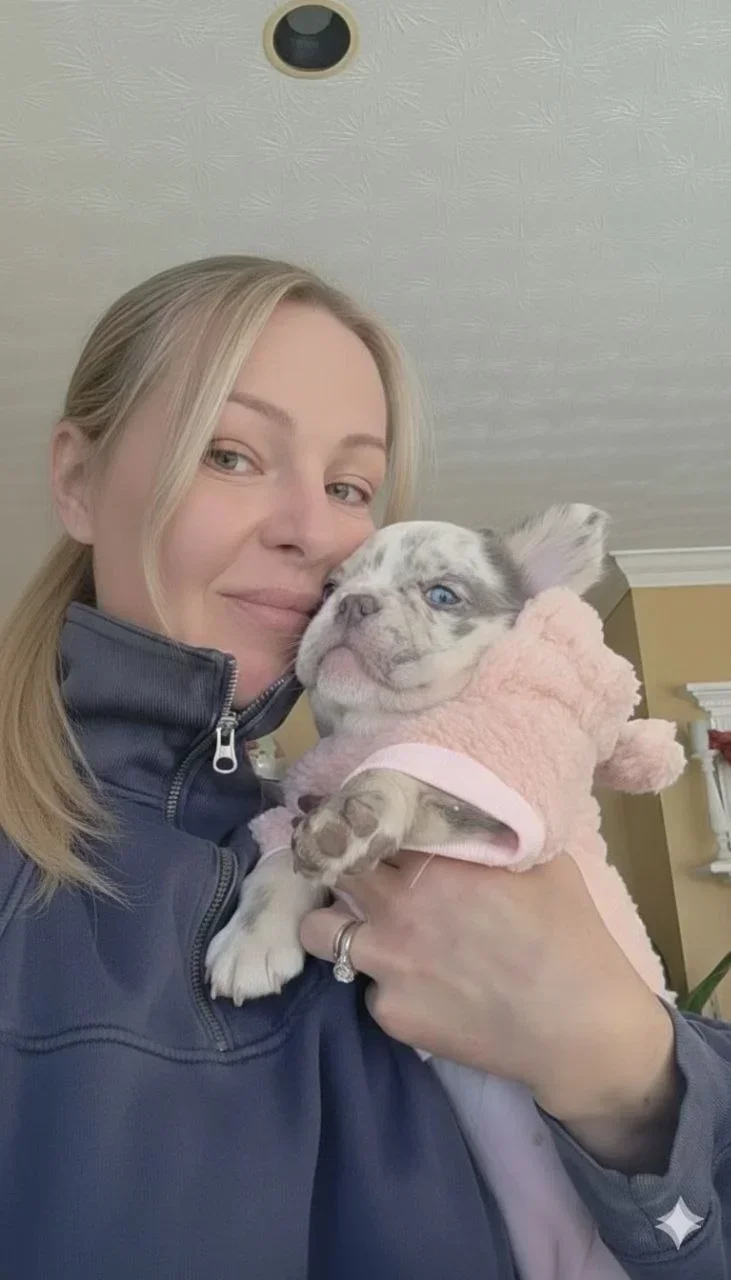
Tatiana — Founder of Exotic Bulldog Legacy
A breeder with years of experience specialising in French and English Bulldogs. My goal is not just breeding, but improving the health of the breed and finding perfect companions for loving families.
Our story →