French and English Bulldogs: The Ultimate Guide for New Owners
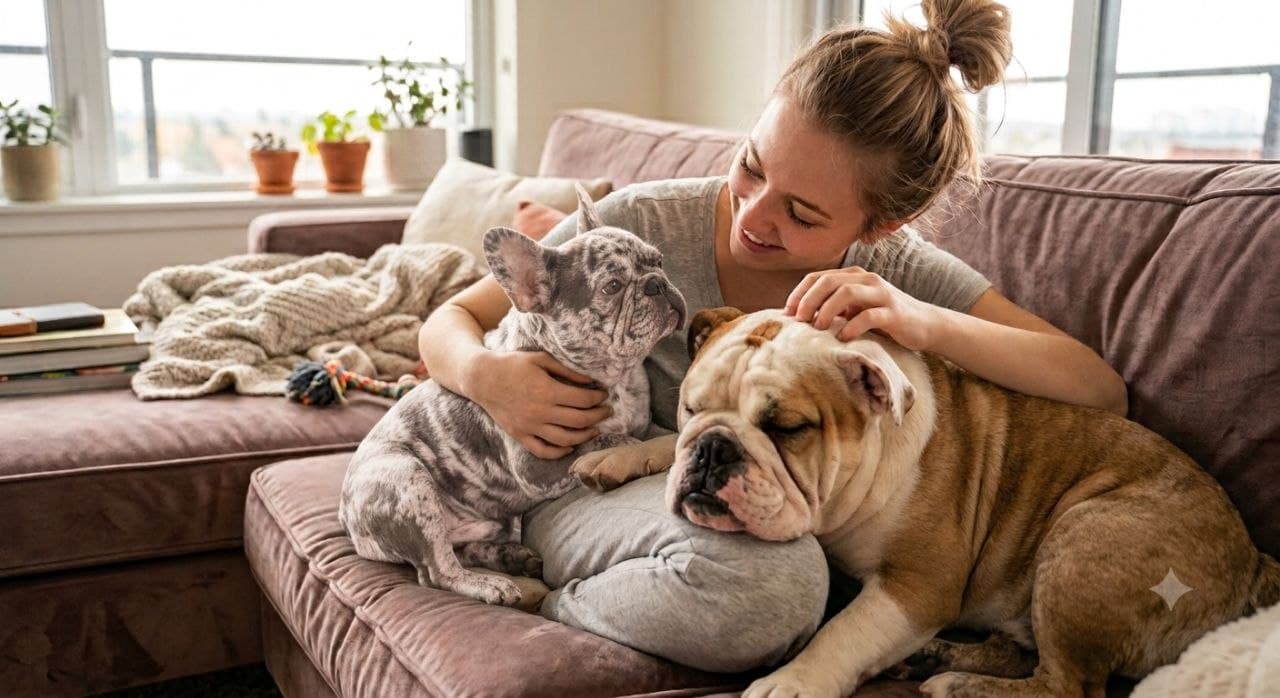
French and English Bulldogs are not just dogs; they are charismatic family members with the personality of a CEO and the face of an angel.
French and English Bulldogs have breed-specific needs, especially around breathing, temperature, skin folds, joints, and water safety. Learning those needs early helps owners build a safe routine as they bring their puppy home, master potty training, and recognize when veterinary guidance is needed.
Here is your essential guide to making life with your French Bulldog or English Bulldog absolute perfection.
A Different Kind of Companion
Bulldogs are sensitive, compact, and powerful — and they deserve owners who understand their unique needs. This guide covers the seven essentials every new bulldog family should know.
1. Respiratory Anatomy: The Secret Behind the Snore
A bulldog’s shortened muzzle can be associated with narrow nostrils, an elongated soft palate, or other airway changes. Not every snort signals a medical problem, but labored breathing, gagging, exercise intolerance, blue or pale gums, or collapse require prompt veterinary attention.
When to Ask a Veterinarian
In our experience caring for Bulldogs, the right treatment plan can make a meaningful difference in a dog’s comfort and breathing. A veterinarian can evaluate whether noisy or difficult breathing is related to brachycephalic obstructive airway syndrome (BOAS). Depending on the dog, care may include weight management, activity changes, or surgery to address narrowed nostrils or an elongated soft palate. Some dogs experience significant relief after appropriate treatment, but airway surgery is never an automatic or instant solution: it requires close monitoring and carries risks. Read the American College of Veterinary Surgeons overview and discuss your dog’s signs with a licensed veterinarian.
Why a Harness Is Essential
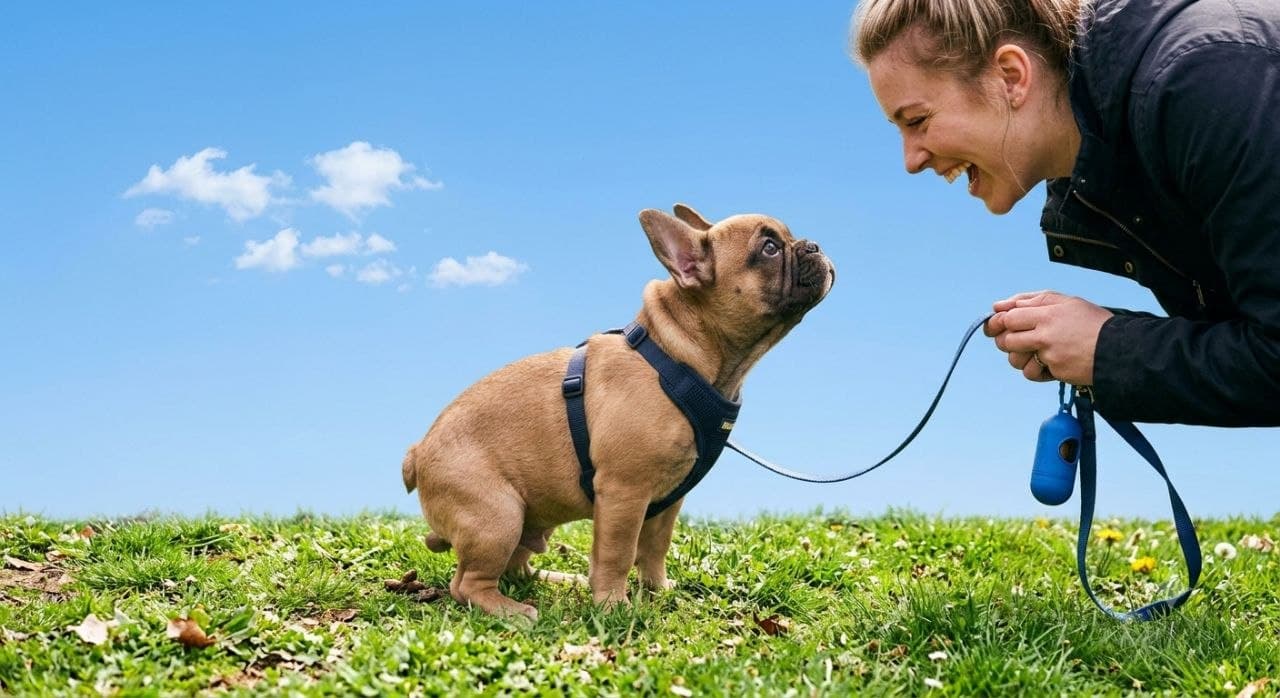
A properly fitted harness can reduce pressure on the neck during walks. Fit matters: the harness should allow normal shoulder movement without rubbing or restricting breathing. Ask your veterinarian for help if your bulldog coughs, gags, or struggles to breathe during activity.
2. Climate Control: Keeping It Cool
Bulldogs are warm-hearted, but because of their shortened muzzles, they do not cool down as efficiently as long-snouted breeds. During warm weather, proactive care is key:
3. Physical Activity: Companions, Not Marathoners
If you are looking for a running partner to join you on a 10-mile bike ride, a bulldog might not be the right match! Bulldogs prefer a leisurely, polite stroll where they can sniff every bush and receive compliments from passersby. They are playful and energetic, but exercise should always be fun and moderate — never exhausting.
4. Water Safety: Bulldogs Aren’t Natural Swimmers
Bulldogs and open water require special attention. Due to their dense muscle structure, heavy bone frame, and short legs, French and English Bulldogs naturally sink like stones and cannot swim safely on their own.
Planning a trip to the beach, lake, or river? Absolutely! Just equip your bulldog with a high-quality canine life jacket and maintain hands-on supervision. A life jacket reduces risk but does not make unsupervised swimming safe.
5. Protecting Joints & Spine: Sleeping in Comfort
It’s no secret that bulldogs love to curl up on the bed and snore right in your ear. There’s no need to deny them that cozy bonding time, but you do need to protect their back and joints from high-impact landings.
Repeatedly jumping off high beds or couches onto hard floors places unnecessary strain on their spine and joints.
Key Idea
To keep them safe without sacrificing cuddles, place pet ramps or padded steps next to your furniture. Bulldogs learn to use them quickly, and their joints will thank you for years to come.
6. Hygiene in “Special Zones”: Wrinkles & Tail Pockets
Caring for a bulldog is simple once you build it into a quick, pleasant routine:
Facial Wrinkles
Moisture and dust can accumulate in the facial folds. Gently wipe them clean using a soft cloth and a product recommended by your veterinarian, then dry the skin thoroughly. Redness, odor, discharge, or pain warrants a veterinary check.
Tail Pockets
Some bulldogs (especially English Bulldogs) have very tight tails that create a deep indentation or “tail pocket” underneath. Keep the area clean and dry using veterinarian-approved products; persistent irritation, odor, or discharge needs an exam.
7. Nutrition: The Foundation of Long-Term Health
A bulldog’s overall health, coat quality, clear skin, and muscle tone depend directly on what goes into their food bowl. Health begins from within, and this breed thrives when fed a fresh, thoughtful, and appropriate diet.
Because proper nutrition plays such a vital role in preventing common issues, it deserves dedicated attention. For a deep dive into building a healthy diet and raising thriving puppies, read our Bulldog Nutrition guide on dry food vs. raw diet.
Preparing for a Bulldog Puppy in Alabama
Families planning pickup should prepare the crate, harness, cooling plan, feeding routine, and first veterinary appointment before travel day. Review our local logistics for Bulldog puppies near Huntsville and Bulldog puppies near Birmingham, or compare all Alabama pickup and delivery areas.
Ready to Welcome Your Bulldog Home?
If you are looking for a French or English Bulldog puppy raised with a health-and-comfort-focused philosophy, you can:
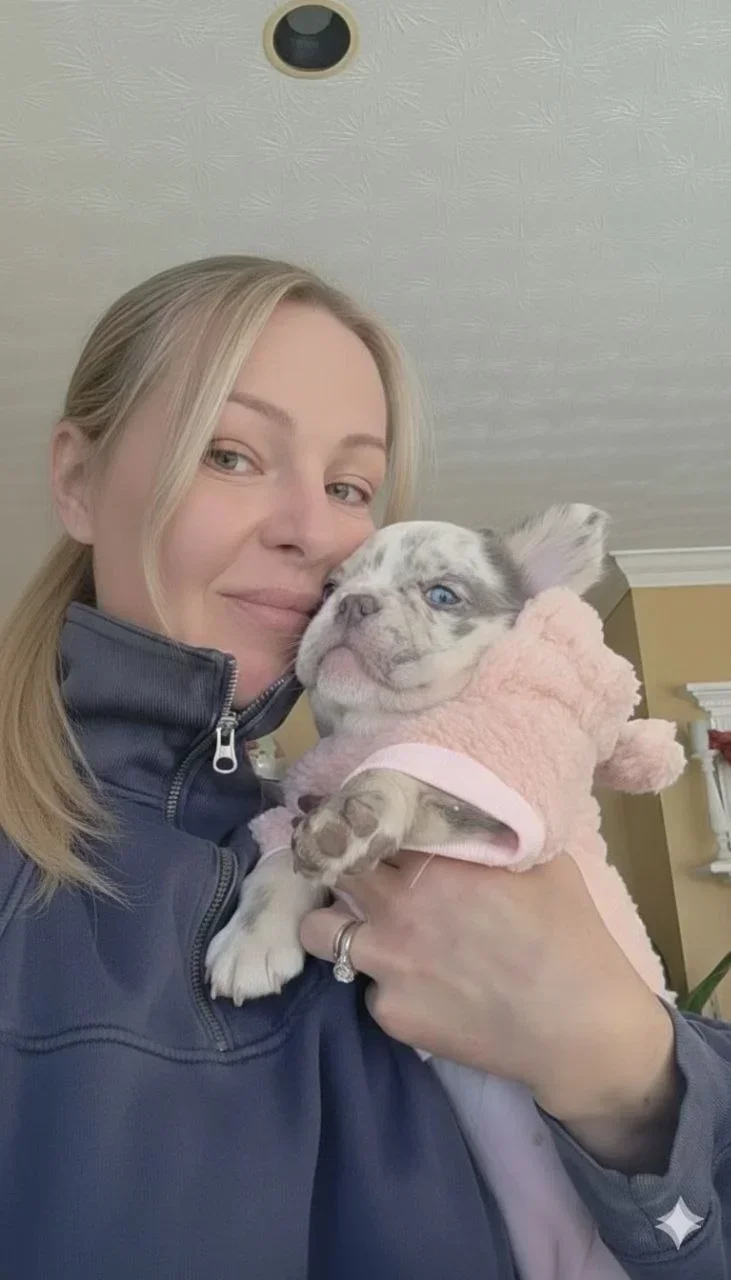
Tatiana — Founder of Exotic Bulldog Legacy
A breeder with years of experience specialising in French and English Bulldogs. My goal is not just breeding, but improving the health of the breed and finding perfect companions for loving families.
Our story →