Puppy Potty Training 101: From Pads to Outdoors Without Stress
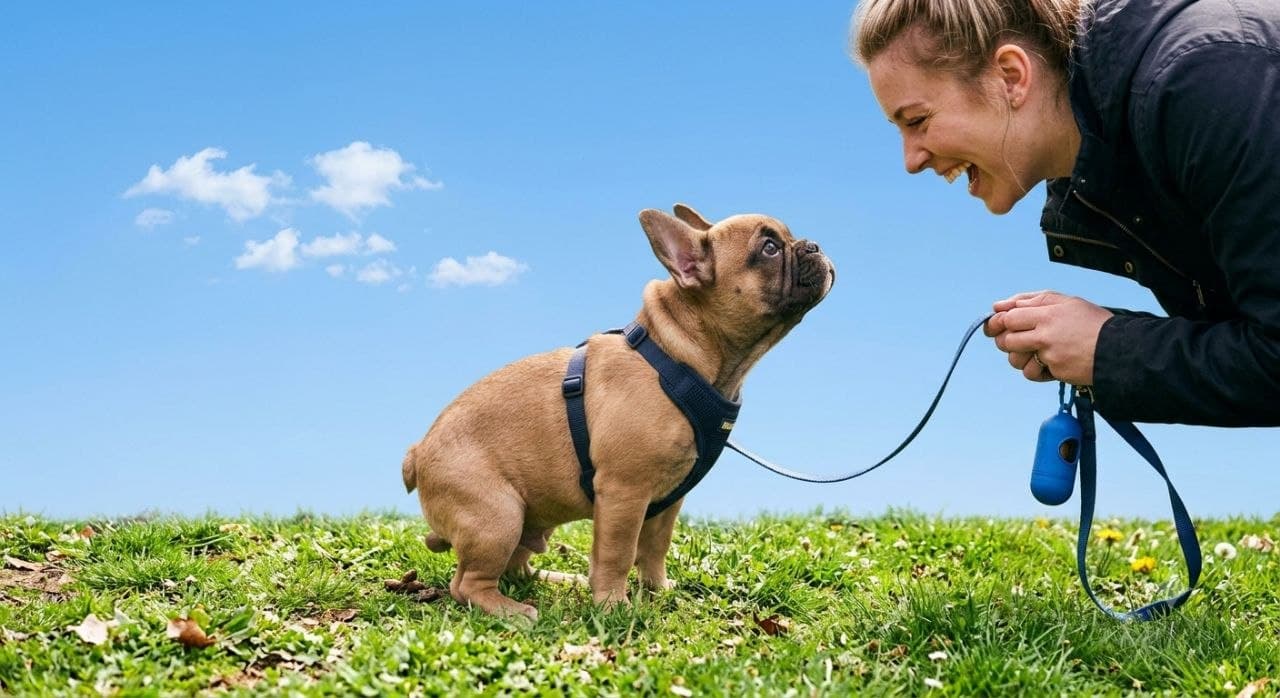
Potty training is one of the first and most important steps in helping a French Bulldog, English Bulldog, or any new puppy adjust to your home.
This process requires patience, consistency, and a clear understanding of puppy physiology. Establish a routine from day one as outlined in our First Weeks Guide, and refer to the Ultimate Guide for New Bulldog Owners to understand your puppy’s overall breed needs. Let’s look at the two main methods, their pros and cons, and how to build a routine without stress.
Option 1: Indoor Puppy Pads
Puppy pads can be a useful temporary tool for very young puppies or when your veterinarian recommends limiting exposure to public dog areas. Ask your veterinarian when private-yard or neighborhood training is appropriate for your puppy’s vaccination status and local disease risk.
Pros
Cons
Option 2: Outdoor Training
This is the natural and ideal option for any adult dog.
Pros
Cons
How to Get Your Puppy to Use One Specific Spot
A common problem: the puppy understands what the pad is for, but sometimes uses it, sometimes misses, or picks a completely different corner. This happens because they haven’t formed a clear mental and physical connection to that specific spot yet.
Limit their space at first: During the first few weeks, use a playpen or keep the puppy in a single room. The smaller the area, the easier it is for them to remember the spot without getting confused.
The “Landing Strip” Method
Cover the Area
Place 3–4 pads next to each other to cover their favorite spot
Consistent Hits
Puppy consistently uses the larger, covered target area
Shrink Gradually
Remove one pad every 2–3 days as accuracy improves
One Pad Remains
The puppy now reliably targets a single, specific spot
Cover the Area
Place 3–4 pads next to each other to cover their favorite spot
Consistent Hits
Puppy consistently uses the larger, covered target area
Shrink Gradually
Remove one pad every 2–3 days as accuracy improves
One Pad Remains
The puppy now reliably targets a single, specific spot
Block off “wrong” spots: Clean any accident spots with a special enzymatic spray that completely destroys the odor (standard bleach or ammonia products will actually attract the puppy back to that spot). Put heavy objects or food and water bowls in their favorite “wrong” corners — dogs instinctively avoid going to the bathroom where they eat.
Keep the scent: When replacing a pad, place a small piece of the old, used pad on top of the clean one as a scent marker.
Watch key moments: Puppies usually need to go right after waking up, 5–15 minutes after eating or drinking, and after active play. Don’t wait for them to look for a spot — take them straight to the pad.
Time your praise correctly: Praise them and give a treat while they are going or within 2 seconds after they finish. If you wait until they walk away, they won’t understand what the reward was for.
How and When Puppies Learn to Hold It
Young puppies have limited bladder and bowel control, so frequent opportunities are more effective than expecting them to hold it. The ranges below are planning estimates, not rules: age, size, water intake, sleep, activity, medication, and health can all change the schedule.
Take puppies out after waking, meals, drinking, play, and before bed even when the chart suggests they could wait longer. Sudden accidents, straining, excessive thirst, diarrhea, or unusually frequent urination should be discussed with a veterinarian.
How Long Does Puppy Potty Training Take?
Many puppies show progress within a few weeks, but reliability usually develops gradually over several months. Changes in home, weather, routine, or health can cause temporary setbacks. Track successful trips and accidents for a week, then adjust timing based on your puppy’s actual pattern instead of comparing them with another dog.
How to Teach a Puppy to Ask to Go Outside
To help your puppy let you know when it’s time to go out, use clear cues:
Watch Their Signals
Pacing, circling, whining, or sniffing the floor intensely means it’s time to go outside immediately.
Use a Cue Word
Repeat a command like "Go potty" every time, then give enthusiastic praise and a treat when they finish.
The Bell Method
Hang a bell on the door handle and nudge it with the puppy’s paw every time you go outside.
Golden Rules for Success
No Physical Punishment
Never rub their nose in it, yell, or hit the puppy. This only teaches them to hide and go in secret spots (under the couch, behind curtains).
Schedule & Reward
Feed and walk your puppy on a strict routine, and praise right actions warmly and generously. Your puppy should feel that going potty in the right spot is the most rewarding thing in the world.
Start the Routine Before Your Alabama Pickup
Ask what surface, cue word, meal schedule, and potty routine your puppy currently knows so you can continue it at home. Families can review pickup and delivery details for Huntsville-area Bulldog puppies and Birmingham-area Bulldog puppies. You can also review our health and deposit policies before reserving.
More Bulldog Owner Essentials
Potty training is just the beginning. For everything else new bulldog owners need to know, or if you’re ready to bring one home, you can:
Tatiana — Founder of Exotic Bulldog Legacy
A breeder with years of experience specialising in French and English Bulldogs. My goal is not just breeding, but improving the health of the breed and finding perfect companions for loving families.
Our story →